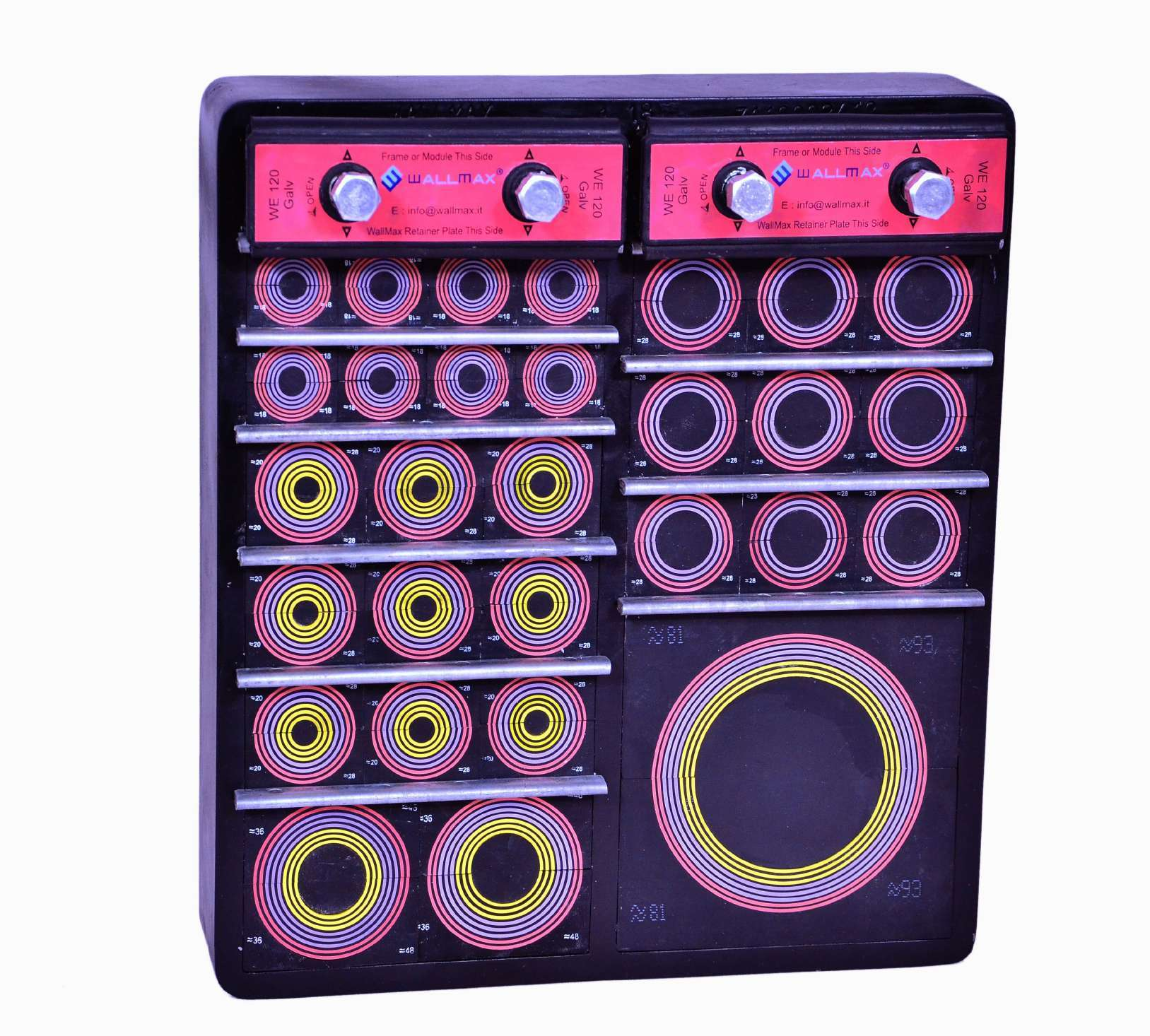
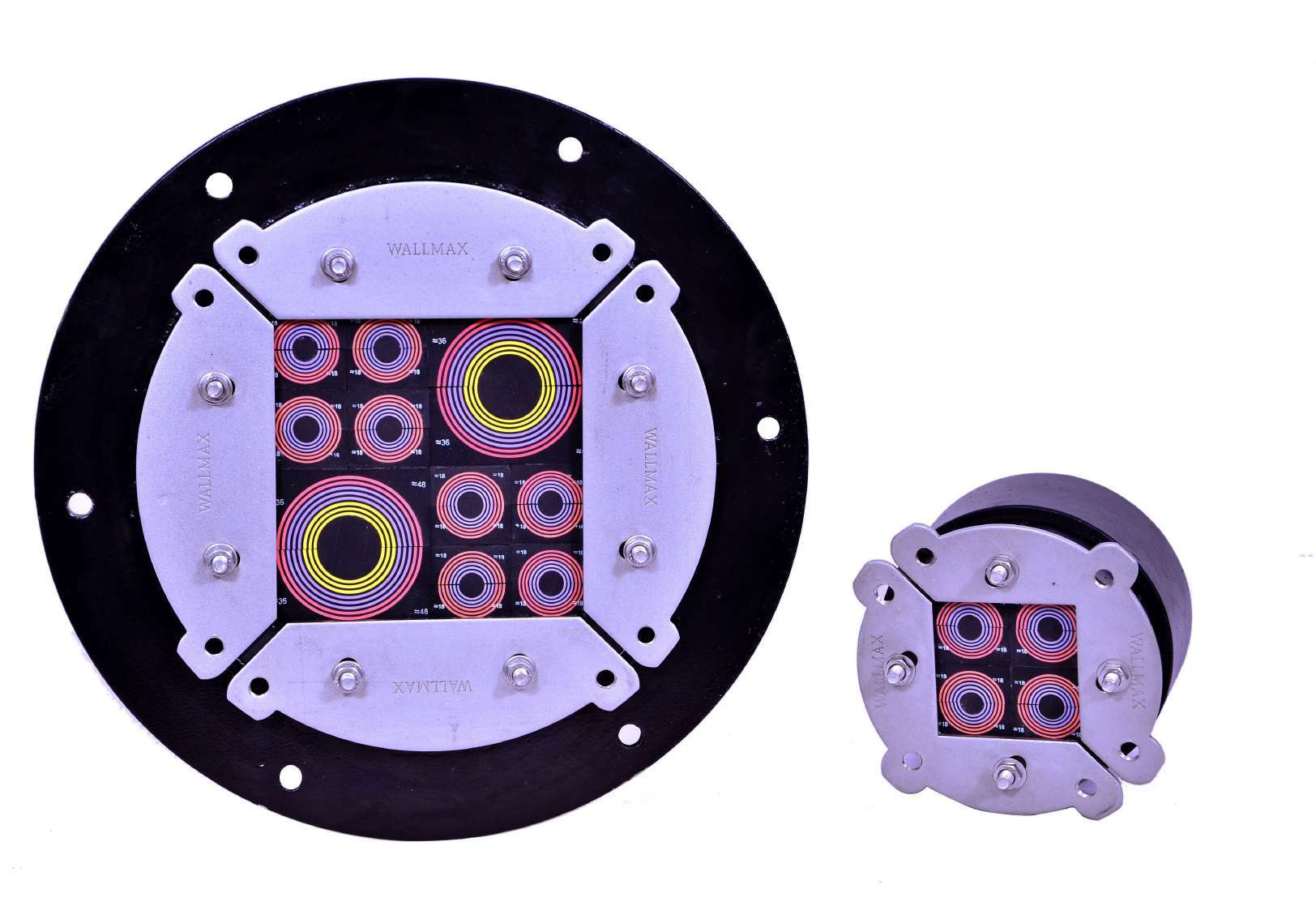
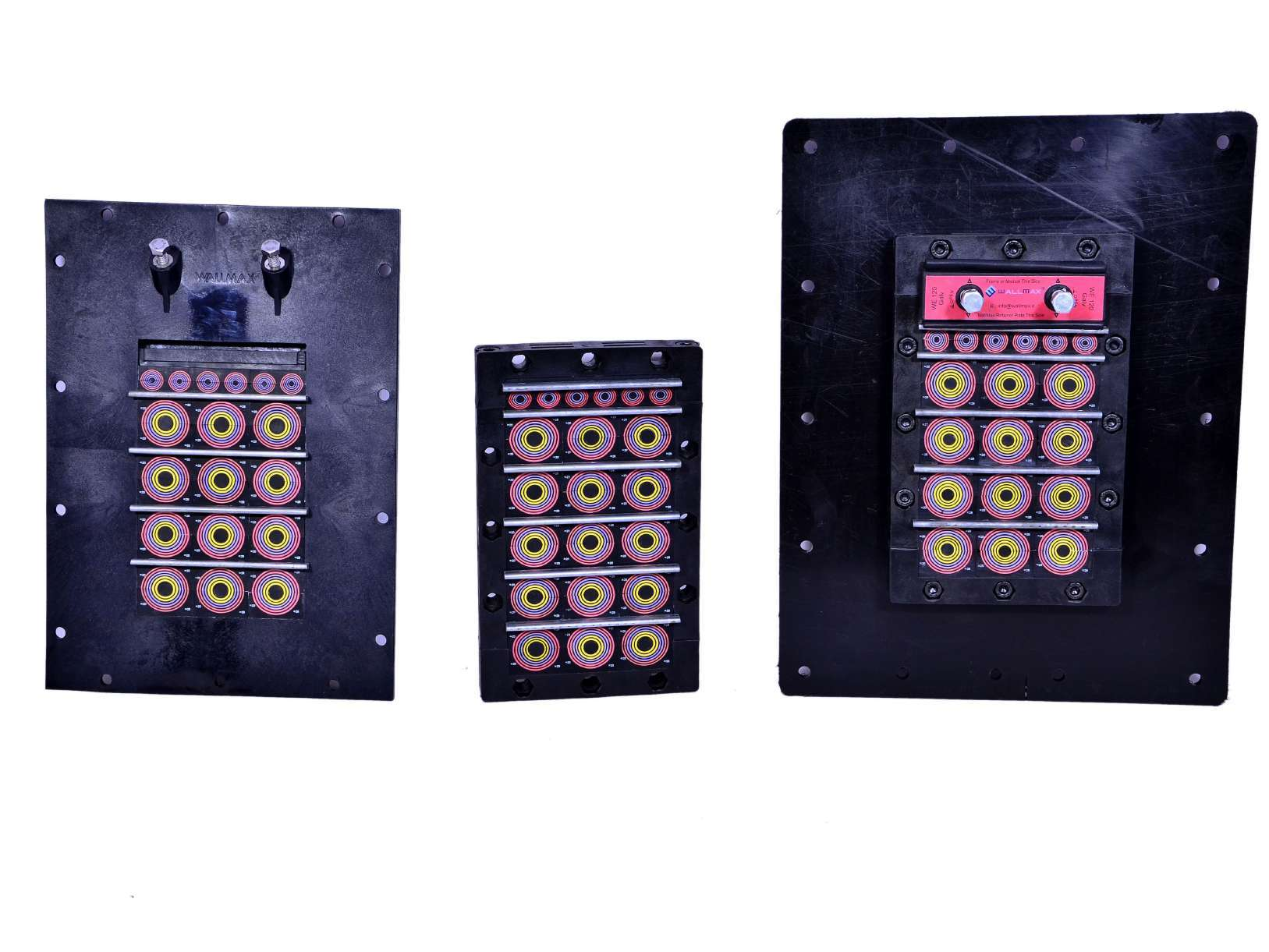
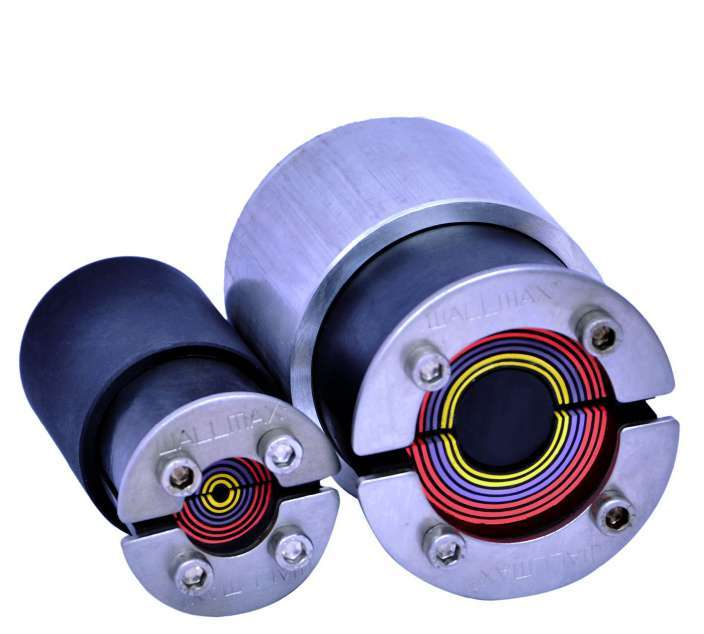
WallMax® modular frame mounted on a metal panel featuring yellow, violet, and red peel-off layer modules
01 · Authorized WallMax® Distributor in Mexico

Industrial sealing systems against fire, water, and gases

Modular WallMax® solutions to protect cable and pipe penetrations. Systems with certified fire resistance, tightness, and specialized configurations for demanding industrial applications.

Penetration sealing in walls, floors, bulkheads, cabinets, and enclosures.

First · fire resistanceUL 1479Certified WR and WRS references; verify mounting and classification.
TightnessWater & gasAccording to system and applicable test certifications.
Specialized applicationEMCInterference shielding; consult availability and documentation.
02 · Application Sectors

Which industry do you need to protect?

Identify your sector and explore where cable and pipe penetration sealing systems are deployed.

Color-coded electrical conduits at a construction site

Construction & Electrical Entries

The challenge
Utility service entries must organize cables and pipes and limit the ingress of external agents without obstructing maintenance or future expansion.
Where it applies
Electrical service entries and utility penetrations in building walls and floors, engineered to match the barrier and protection requirements.

Don't see your industry? Tell us about your project.

03 · Advantages & Technical Evidence

Protection for critical points in your facility.

Six engineering criteria for selecting a sealing solution and reviewing the evidence your installation requires.

01Fire

Documented fire resistance

WR and WRS carry UL 1479 listed references. Confirm barrier, mounting, and rating; UL 94 does not replace system-level testing.

02Sealing

Tightness & acoustic insulation

IP67 / IP68 back water-ingress tests. For gas tightness and acoustic insulation, request evidence specific to your configuration.

03Specialized use

ATEX & EMC

ATEX: potentially explosive atmospheres. EMC: interference control in medium and high voltage. Confirm variant and documentation.

04Durability

Resistance to harsh environments

Select materials according to salinity, humidity, corrosion, extreme temperatures, and severe site environmental exposure.

05Asset protection

Fewer entry points for pests & rodents

A properly sealed penetration reduces openings for rodents, reptiles, and insects. Consult protection details for each system.

06Project value

High quality & technology at competitive pricing

Modular engineering and local technical support in Mexico to specify the right components while protecting your project budget.

04 · How WallMax® Works

A modular system that adapts to every cable diameter.

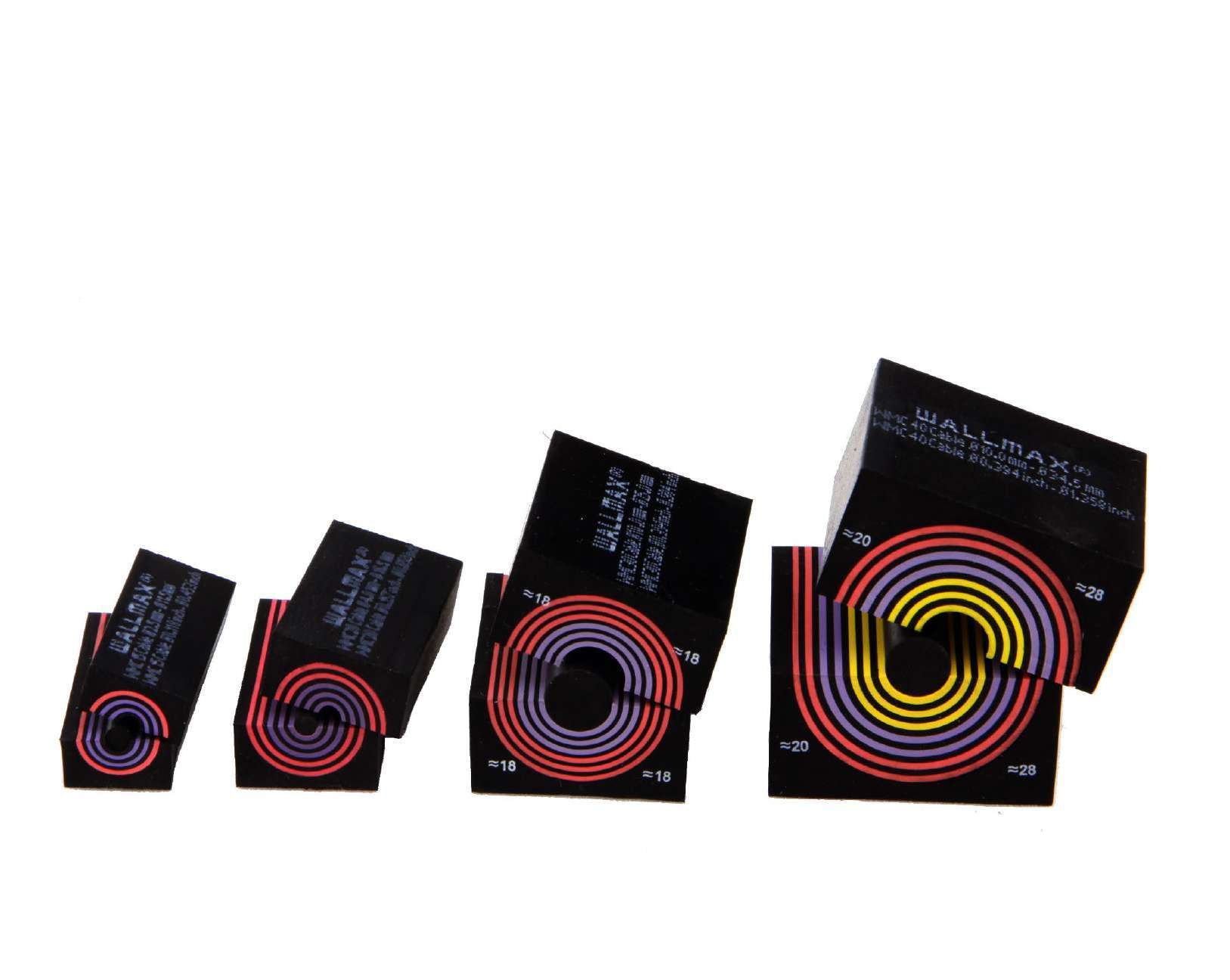
WallMax® modules incorporate peelable layers to adapt each penetration to different diameters according to the selected reference.

The system pairs a frame with compatible modules; layers are peeled evenly on both rubber halves until matching the measured outer diameter. Depending on the family, retainer plates and compression accessories complete the assembly per WallMax® instructions.

Explore the layers

The catalog diagram for WMR 60 / WMC 60 illustrates eight concentric color layers: three yellow, three violet, and two red. Explore how the aperture expands as layers are peeled from the center.

Step 0 of 8 · Color layers visible in the diagram.

Yellow · inner adjustmentThe inner layers allow incremental expansion of the aperture. Color coding makes it easy to identify how much has been peeled.
Violet · reference ≈ Ø36 mmIn the WMR 60 / WMC 60 diagram, removing the entire violet group indicates an approximate inner aperture of 36 mm.
Red · reference ≈ Ø48 mmIn that same diagram, removing the entire red group indicates an approximate inner aperture of 48 mm.

References ≈ Ø36 and ≈ Ø48 mm apply only to the WMR 60 / WMC 60 diagram. They do not prescribe cable types and do not replace outer-diameter measurement, datasheets, or installation procedures.

Diameters at a glance

Examples of WMR Regular Modules. Measure the actual cable or pipe outer diameter before selecting a part reference.

WMR 15
Ø 2.5–11.6 mmExample: thin instrumentation or signal cables.
WMR 30
Ø 10–25 mmExample: control cables whose outer diameter falls within this range.
WMR 40
Ø 21.5–34.5 mmExample: power cables matching this measured diameter range.
WMR 60
Ø 24–54 mmExample: larger-diameter cables or pipes, depending on application.

Examples shown are indicative only: cable type alone does not determine the module. Verify diameter, barrier, certifications, and system components.

05 · Installation Workflow

How a WallMax® modular system is assembled

Watch WRF installation example ↗

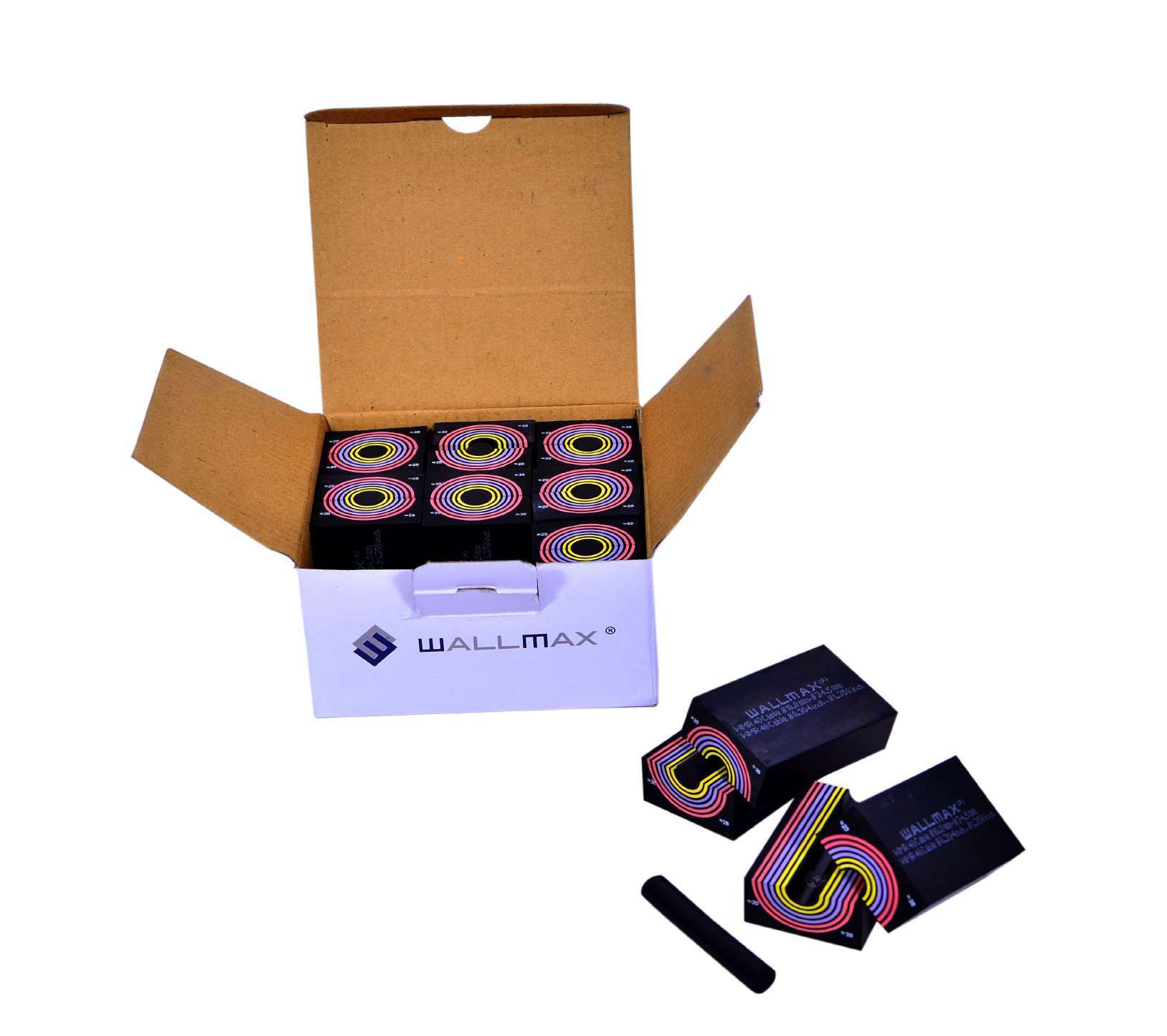
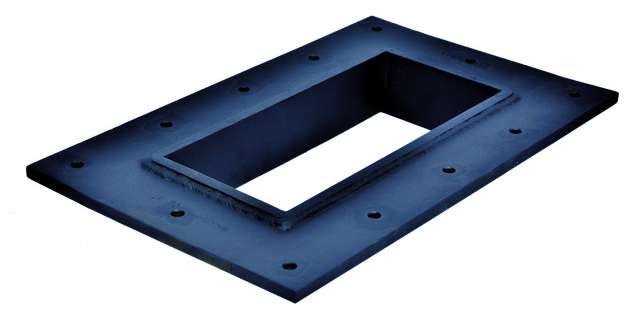
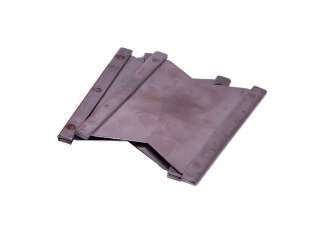
These components illustrate a WRF assembly. Required hardware and installation sequence must always be confirmed in the guide for your chosen system.

01WMLub · lubricant

Prepare contact surfaces

Apply the specified lubricant to designated surfaces to facilitate module assembly and installation.

02WRP · retainer plates

Insert retainer plates

Place retainer plates between horizontal module rows wherever required by the frame configuration.

03WPCT · pre-compression tool

Pre-compress the pack

Use the compatible pre-compression tool to release space and prepare insertion of the final expander.

04WE · expander

Tighten compression

Insert the expander and tighten its bolts per the selected system's installation procedure.

WRF installation example. Does not replace official manufacturer manuals or automatically apply to all WallMax® families.

07 · Quotation Guide

Your WallMax® project starts with the right advisory.

With over 20 years of experience supporting industrial enterprises in Mexico, Proveza Consultores provides specialized engineering support to specify the right WallMax® solution for your project.

You don't need to know exact model codes or dimensions upfront. Tell us what needs protection and we will identify the components and requirements to prepare your quote.

Request advisory & quote ↗
What we need to help you

What do you need to quote your project?

Share whatever data you have available. If any details are missing, we will help define them:

  1. ApplicationIndustry sector and penetration through wall, floor, bulkhead, or cabinet.
  2. Cables or pipesQuantity, outer diameters in mm, and spare capacity for expansion.
  3. ApertureWidth, height, and depth in mm; existing frame dimensions if applicable.
  4. RequirementsFire rating, watertight/gas-tightness, EMC, ATEX, or environmental exposure.
  5. DocumentationPhotographs, drawings, and project specifications on hand.
08 · Frequently Asked Questions

Frequently Asked Questions

What is a WallMax® modular sealing system?

It is an assembly of compatible components that seals cable or pipe penetrations through a structural barrier. Depending on design, it includes a frame, adjustable peelable modules, and compression or retention hardware.

Which WallMax® systems provide fire resistance?

WallMax® lists UL 1479 tested references for WR and WRS, alongside additional classifications on other systems. Performance must always be verified for the specific barrier, mounting method, and assembly.

What does UL 1479 mean?

It is a standard test method evaluating firestop penetration sealing systems. Reference to UL 1479 does not certify individual loose pieces or arbitrary assemblies; always review the applicable certificate and scope.

Are the systems tight against water, gases, and humidity?

Yes—tested configurations provide certified resistance to water ingress and gas pressure. Actual performance depends on proper component selection and installation; request supporting test evidence for your project.

Which solutions offer EMC protection?

EMC refers to electromagnetic compatibility and interference shielding in sensitive installations. Ask our technical team to confirm the matching EMC variant and documentation for your application.

What is the difference between Regular and Compact modules?

Regular WMR modules have a 60 mm depth while Compact WMC modules have a 30 mm depth. Selection depends on frame compatibility, available enclosure space, and measured outer cable diameter.

Can an existing installation be modified?

Modular systems allow future expansion and rework, and openable frames are specifically built around pre-routed cables. Feasibility depends on reviewing the barrier, existing hardware, and applicable approvals.

What information do I need to request a quote?

Provide installation type, count and outer diameters of cables or pipes, aperture dimensions, protection requirements, and drawings or photos if available. You can request engineering support even if some data is incomplete.